JAPAN HEALTH FOODS & PHARMACEUTICAL INQUIRY
Trusted Japanese Healthcare Products & Pharmaceuticals
Japan's Contributions to Vaccines and Infectious Disease Control
- Daiichi Sankyo: Development of advanced mRNA vaccine technology.
- KM Biologics: Manufacturing and development of vaccines.
- Meiji Seika Pharma: Research on antimicrobial agents.
Medical Technologies in Which Japan Leads the World
- iPS Cell Tech: iPS cell technology and regenerative medicine.
- Advanced Endoscopic Tech: Endoscopic technologies, including Olympus systems.
- High-Performance CT/MRI: High-performance CT and MRI systems, including Canon systems.
- Ultrasound Imaging Systems: Ultrasound diagnostic systems, including FUJIFILM and Canon systems.
Through continued research and engineering, Japan contributes medicines, medical technologies and research platforms used in healthcare systems around the world.
Advanced Healthcare Driven by Nobel Prize-Winning Research
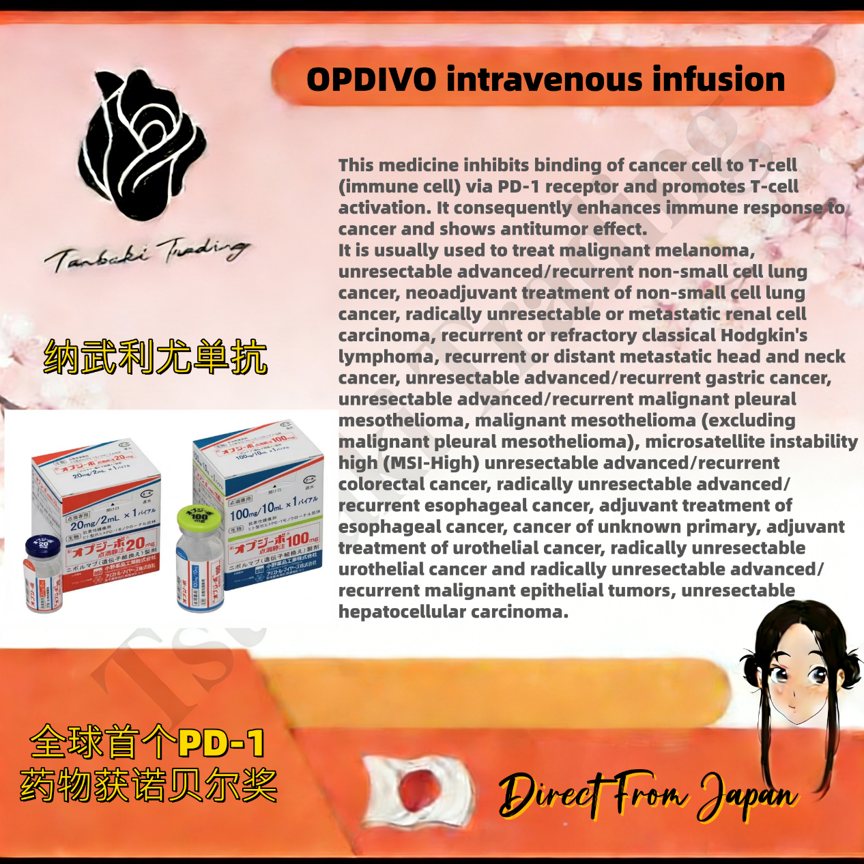
PD-1 cancer immunotherapy
A major shift in how tumours are treated worldwide. It is now applied across dozens of cancers, including lung cancer, gastric cancer, melanoma and renal cancer.
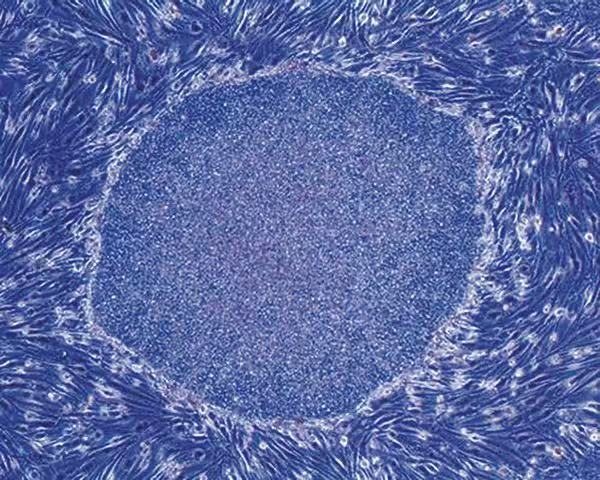
iPS cells
This achievement does not require destroying embryos: the cells can be prepared directly from the patient’s own skin or blood, which avoids the ethical controversy.
iPS cells can differentiate into many types of human cell and may in future be used to grow tissue and organs for hard-to-treat diseases, without immune rejection (regenerative medicine). They also make it possible to reproduce a patient’s disease process in vitro for precise drug screening and toxicity testing.
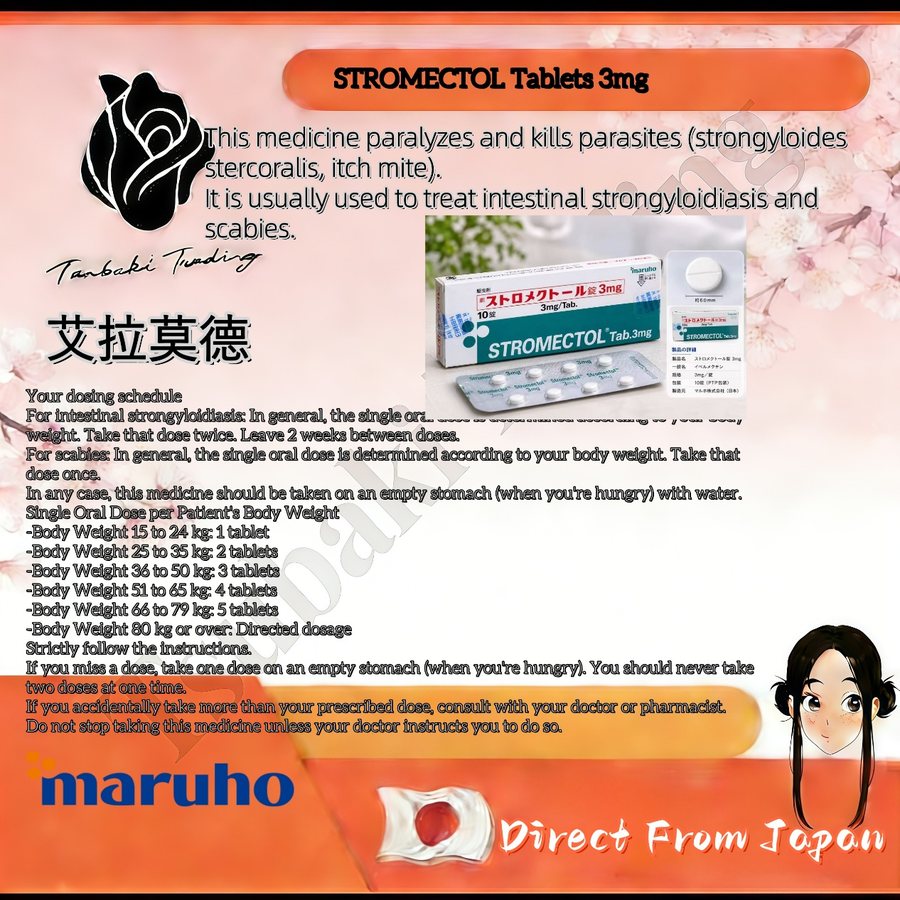
Avermectin and ivermectin
Professor Satoshi Omura (2015 Nobel Prize in Physiology or Medicine) discovered avermectin through research on soil microorganisms, and that work led to the development of ivermectin. Ivermectin became one of the most important antiparasitic medicines in the world and has protected hundreds of millions of people from parasitic diseases such as river blindness and lymphatic filariasis. His research reflects a world-class Japanese contribution to natural-product drug discovery and the life sciences. Newer research indicates that ivermectin may inhibit cancer cells through several pathways and may become a future drug candidate.
Antibody diversity
In 1987 Professor Susumu Tonegawa received the Nobel Prize in Physiology or Medicine for explaining the genetic mechanism of antibody diversity. He was the first to show that human B lymphocytes generate an enormous repertoire of antibodies through DNA gene rearrangement, allowing them to recognise a wide range of bacteria, viruses and other foreign pathogens. This discovery laid the theoretical foundation of modern immunology and antibody engineering, and drove progress in monoclonal antibody medicines, cancer immunotherapy, vaccine development and the treatment of autoimmune disease.
① Antibody-based medicines
Many major biologics today are built on antibody research, for example:
- Rituximab
- Trastuzumab
- Pembrolizumab
- Nivolumab
These medicines are widely used in cancer, autoimmune and inflammatory disease.
② Cancer immunotherapy
The development of modern cancer immunotherapy, for example:
- PD-1 inhibitors
- PD-L1 inhibitors
- CTLA-4 inhibitors
All of it rests on research into antibodies and the immune system.
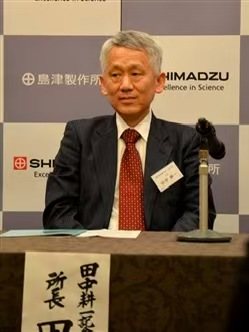
Mass spectrometry of biological macromolecules
In 2002 Koichi Tanaka received the Nobel Prize in Chemistry for developing soft laser desorption ionisation mass spectrometry for the analysis of biological macromolecules. He was the first to achieve intact ionisation and precise measurement of large biomolecules such as proteins, providing key technology for proteomics, early disease diagnosis, drug development and precision medicine. The breakthrough made modern mass spectrometry an indispensable tool in life science and medical research.
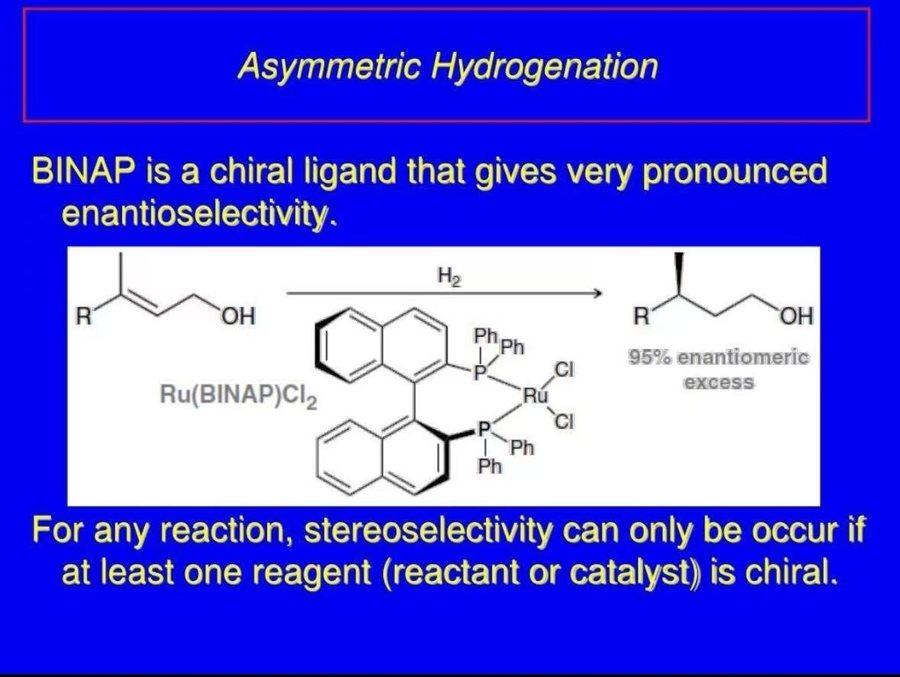
Chiral catalysis (asymmetric hydrogenation)
In 2001 the Japanese scientist Ryoji Noyori received the Nobel Prize in Chemistry for pioneering chirally catalysed hydrogenation. His BINAP chiral catalyst system enabled efficient, highly selective synthesis of single-chirality molecules, solving a key problem in modern organic synthesis and in the pharmaceutical industry. It is widely applied in the research and production of antibiotics, anticancer medicines and cardiovascular medicines, and has advanced green chemistry and precision synthesis.
Japanese Pharmaceutical Database

Medical Tourism
Advanced Medical Care in Japan View guide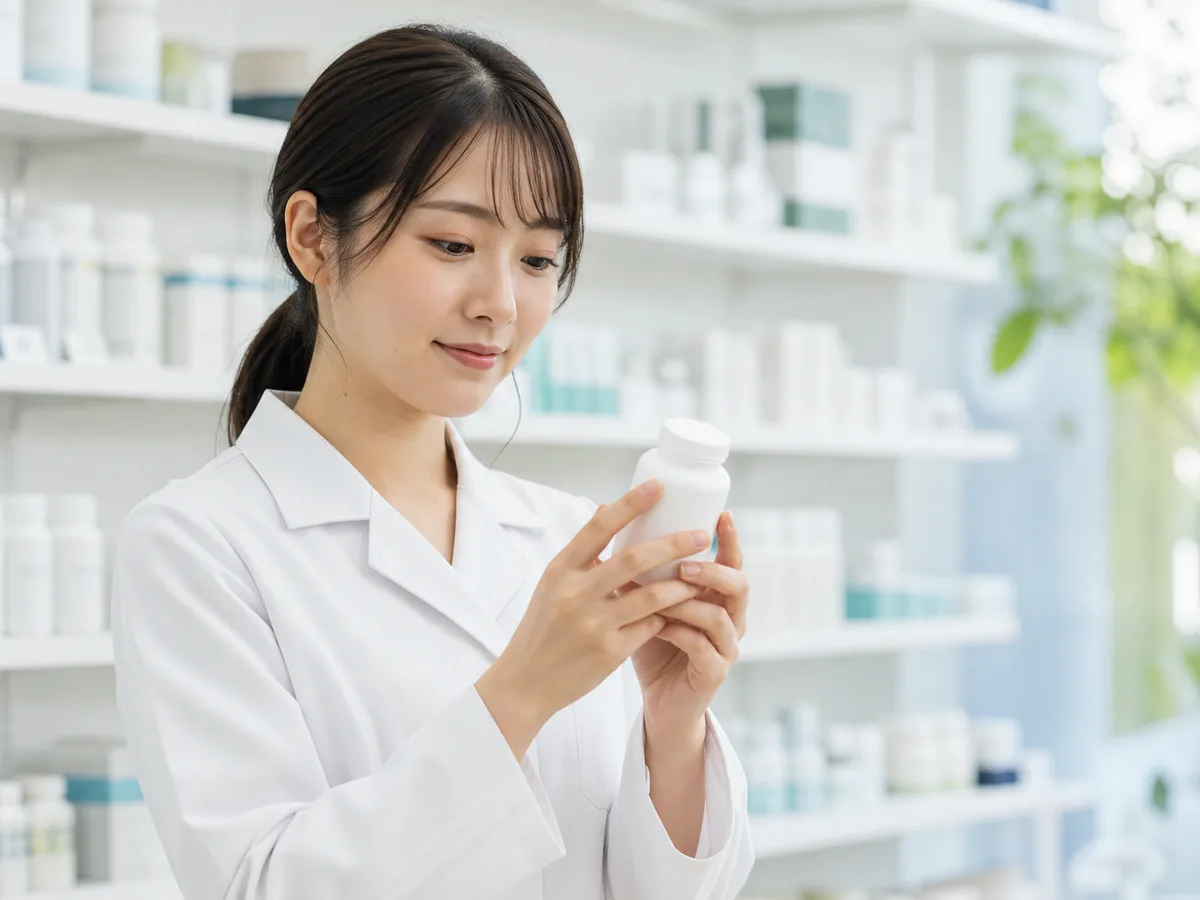
Why Choose Tsubaki Trading
- Japan-Based Procurement & Documentation
- Licensed Wholesale & Export Services
- Medical Referral & Appointment Scheduling
- Product Compliance & Regulatory Review
- Global Logistics & Export Support
- Multilingual Customer Support
Latest guides

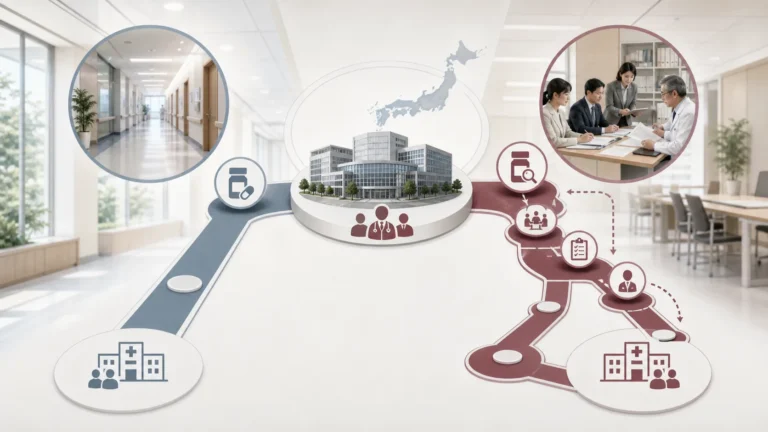
Advanced Medical Care in Japan: What Type A and Type B Actually Mean
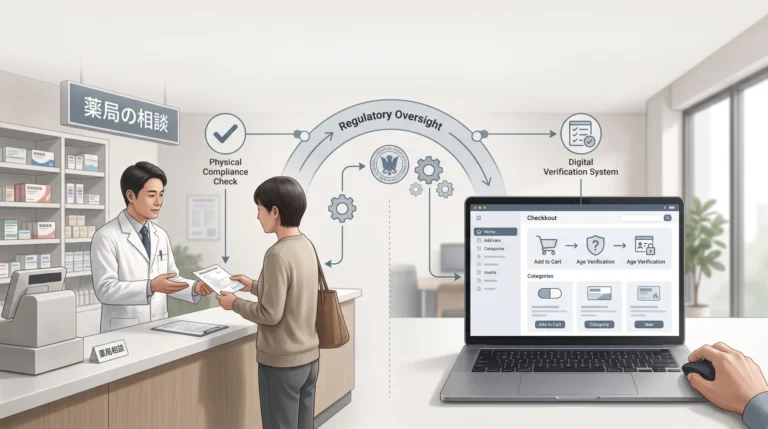
What Japan’s 2025 Mystery-Shopper Survey Found About Medicine Sales Rules
Institutional pharmaceutical inquiry
Pharmaceutical Wholesale Distribution License (Tokyo Metropolitan Government) No. 5313250689Prescription pharmaceutical showcase
This page presents a curated selection of prescription medicines sourced from Japan by Tsubaki Trading. For reference only. Products are supplied exclusively to qualified overseas medical institutions, licensed importers, pharmaceutical distributors, and healthcare partners, subject to applicable regulations in the destination country.